- home
- Tree Removal
Tree Removal Services in Eastmont, WA
Controlled tree removal resolves hazardous, declining, or misplaced trees while protecting nearby structures, landscaping, access, and surrounding property.
When Keeping the Tree Creates the Greater Risk
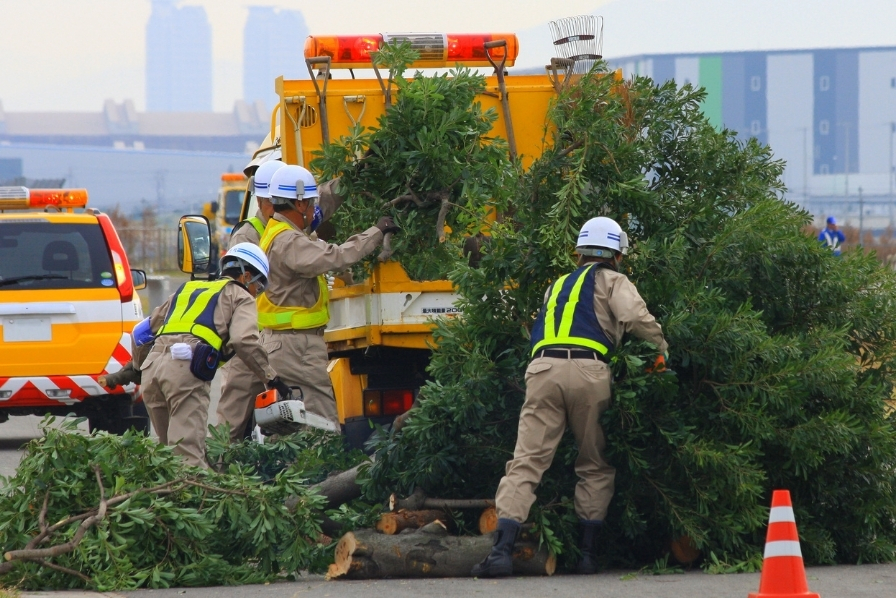
Tree removal becomes necessary when decay, root failure, severe leaning, storm damage, or repeated branch loss makes preservation unreliable. Pelton Tree Care LLC evaluates the tree’s structure, species, condition, surroundings, and potential failure direction before determining how the work should proceed.
Our Tree Removal services address dead trees, hazardous trees, oversized growth, restricted sites, and trees interfering with construction or property use. Every plan considers roofs, fences, utilities, driveways, gardens, neighboring spaces, and equipment access. The objective is to resolve the concern through controlled dismantling, responsible debris handling, and a removal method suited to the site.
Difficult Trees Demand More Than a Chainsaw
A tree standing near a home, power corridor, retaining wall, swimming area, or narrow driveway cannot always be felled from the base. Its weight must be managed in sections, with branch movement, trunk pressure, rigging points, drop zones, and surrounding obstacles calculated before cutting begins.
Depending on the setting, Pelton Tree Care LLC may use sectional dismantling, controlled rigging, aerial equipment, or Crane Tree Removal. Trees damaged by storms may also require 24/7 Emergency Tree Service when unstable sections threaten people, structures, or access routes. Careful planning allows each piece to be lowered or lifted predictably while protecting lawns, pavement, roofs, fences, gardens, and nearby trees throughout the removal.


Removal Methods Matched to Tree and Terrain
No two removals carry the same weight, access, or surrounding risk. Pelton Tree Care LLC selects equipment and techniques according to tree stability, available space, property activity, and the safest route from canopy to cleanup.
Hazard Evaluation
We assess decay, cracks, root movement, canopy failure, lean direction, and nearby exposure.
Sectional Dismantling
Branches and trunk sections are removed progressively when open felling space is unavailable.
Crane Assistance
Crane Tree Removal lifts heavy sections away from structures, landscaping, and restricted drop zones.
Debris Management
Wood, branches, and loose material are organized, processed, and cleared from active property areas.
Space Made Safer
- Removes unstable trees near occupied spaces
- Restores access around driveways and structures
- Resolves conflicts with planned property improvements
- Prepares sites for stump grinding and restoration
Professional Tree Removal eliminates persistent hazards, opens restricted areas, and gives property owners a clear foundation for restoration or future improvements.
A Controlled Tree Removal Process Built Around Risk and Access
Each removal follows a planned sequence that manages tree weight, surrounding exposure, equipment movement, and property protection from assessment through final clearing.
Risk Analysis
We inspect structural defects, failure potential, access limitations, surrounding targets, and available working space.
Method Selection
The crew chooses rigging, climbing, aerial equipment, crane support, or controlled felling according to conditions.
Managed Removal
Branches and trunk sections are cut, lowered, or lifted through a carefully controlled sequence.
Site Clearing
Debris is processed, work areas are cleared, and options for Stump Grinding are reviewed.
Clear Answers About Safe and Professional Tree Removal
Understanding removal methods, warning signs, equipment, cleanup, and emergency situations helps property owners make informed decisions before unstable trees cause damage or restrict access.
How do I know when a tree needs to be removed?
Tree Removal may be necessary when severe decay, root instability, trunk cracking, extensive canopy failure, or an unsafe lean makes preservation impractical. A professional assessment determines whether pruning, monitoring, treatment, or complete removal provides the safest outcome.
Can a large tree be removed from a small backyard?
Yes. Large trees in confined yards can be dismantled in controlled sections using climbing, rigging, aerial equipment, or Crane Tree Removal. The method depends on access width, tree stability, nearby structures, overhead obstacles, and available material-handling space.
What happens to branches and wood after tree removal?
Branches are typically chipped or removed, while trunk sections may be cut, processed, or hauled according to the project plan. Cleanup should clear active areas of loose debris and leave the property ready for Stump Grinding or restoration.
Is emergency removal necessary after a tree is damaged by a storm?
Emergency removal may be required when a tree falls, roots lift, the trunk splits, or unstable limbs threaten buildings, vehicles, utilities, or access routes. 24/7 Emergency Tree Service helps secure the area and prevent additional disruption or damage.
Does tree removal include removing the stump?
Standard Tree Removal usually removes the trunk and canopy but may leave the stump unless grinding is included. Stump Grinding reduces the remaining wood below grade, improving access and preparing the area for lawn repair, planting, or landscaping.