
- home
- Tree Care Plans
Tree Care Plans in Eastmont, WA
Organized tree care guidance helps Eastmont property owners manage health, safety, maintenance, and long-term landscape priorities.
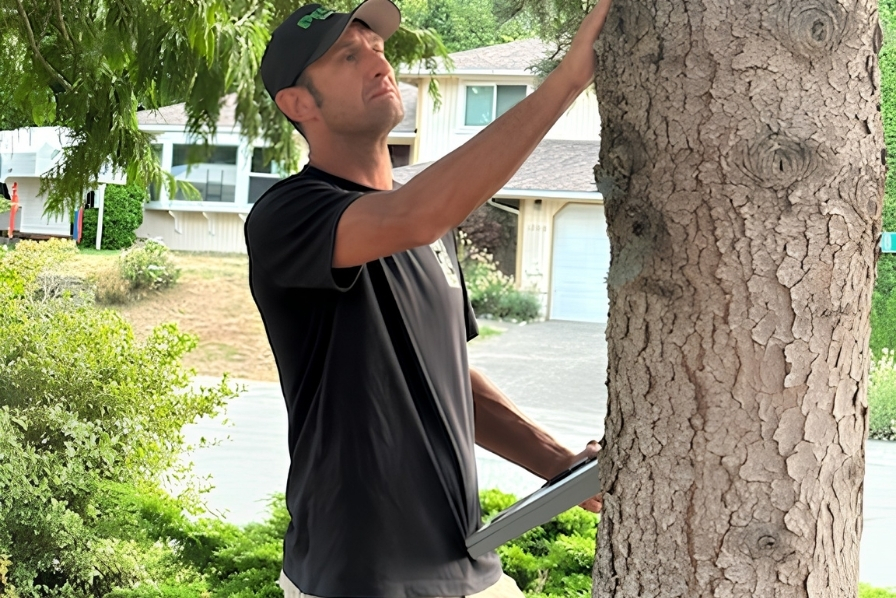
A Smarter Way to Manage Trees Over Time
Trees change gradually, but their maintenance needs rarely follow a fixed calendar. Pelton Tree Care LLC creates Tree Care Plans around species, maturity, canopy condition, structural concerns, property use, and seasonal exposure. Each plan identifies what needs prompt attention, what requires monitoring, and which services can be scheduled strategically.
Recommendations may include Tree Trimming and Pruning, Tree Health Assessment, Tree Risk Assessment, Deadwood Removal, Tree Preservation, and Plant Health Care. By organizing these priorities clearly, property owners can reduce reactive decisions, protect valuable trees, prepare for seasonal weather, and manage maintenance without treating every visible change as an emergency.
Stop Guessing Which Tree Needs Attention First
A crowded canopy, an isolated dead branch, a thinning crown, an exposed root, or a developing lean can mean very different things depending on the tree and its surroundings. A structured plan brings those signals into context by reviewing health, stability, clearance, growth patterns, property improvements, and potential targets beneath the canopy.
Pelton Tree Care LLC may recommend phased Tree Trimming and Pruning, targeted Disease Management, Insect Management, nutrition guidance, monitoring, or controlled Tree Removal when preservation is no longer responsible. Plans can also prepare properties for construction, landscaping changes, storm season, or recurring commercial maintenance. This approach helps owners allocate attention and resources where they matter most while preserving healthy trees, reducing preventable hazards, and avoiding unnecessary work driven by uncertainty.


Planning That Turns Tree Care Into Clear Priorities
A useful plan should explain more than which branches need cutting. Pelton Tree Care LLC connects current tree conditions with practical timelines, risk levels, preservation goals, seasonal needs, and property changes, creating a manageable path for ongoing care rather than a disconnected list of services.
Condition Mapping
We document tree health, structural concerns, canopy density, root conditions, and visible signs of decline.
Priority Scheduling
Urgent hazards, seasonal tasks, and long-term maintenance are arranged according to importance and timing.
Treatment Guidance
Recommended care may include pruning, monitoring, nutrition support, pest management, preservation, or removal.
Storm Preparation
Plans identify vulnerable limbs, unstable trees, blocked access risks, and potential emergency response needs.
Care With Direction
- Clear Priorities for Every Tree
- Seasonal Work Planned in Advance
- Risks Tracked Before They Escalate
- Maintenance Aligned With Property Goals
A structured Tree Care Plan replaces scattered decisions with practical guidance for healthier trees, safer surroundings, predictable maintenance, and better long-term planning.
How We Build a Tree Care Plan Around Your Property
Every plan develops through a structured review that connects tree condition, immediate concerns, future goals, and realistic maintenance timing.
Property Review
We examine trees, structures, access routes, landscape features, recent changes, and how the property is used.
Priority Analysis
Each concern is ranked by urgency, potential risk, preservation value, and appropriate seasonal timing.
Plan Development
We outline recommended services, monitoring needs, treatment options, scheduling priorities, and possible future decisions.
Plan Updates
Periodic reviews adjust recommendations as trees grow, conditions change, treatments progress, or property needs evolve.
Practical Answers About Long-Term Tree Care Planning
A clear tree care plan helps property owners understand maintenance timing, risk priorities, preservation opportunities, and future costs before changing conditions create rushed or avoidable decisions.
What is included in a professional tree care plan?
A professional Tree Care Plan may include tree inventories, condition assessments, pruning priorities, health concerns, risk levels, treatment recommendations, monitoring schedules, and removal considerations. The plan is shaped around tree species, property use, seasonal exposure, and long-term landscape goals.
How often should a tree care plan be updated?
Update frequency depends on tree age, condition, property changes, and previous findings. Many plans benefit from annual review, while damaged, declining, or high-risk trees may require closer monitoring after storms, construction, pruning, treatment, or visible structural changes.
Can a tree care plan help prevent emergency tree problems?
Yes. A Tree Care Plan can identify deadwood, weak branch unions, unstable trees, clearance conflicts, and declining health before failure occurs. While no plan can prevent every storm event, timely maintenance can reduce avoidable hazards and improve emergency preparedness.
Are tree care plans useful for properties with only a few trees?
Yes. Even a small property can benefit when trees stand near roofs, driveways, utilities, patios, or neighboring spaces. A focused plan clarifies pruning needs, health concerns, preservation options, and which trees require routine monitoring or faster professional attention.
Can commercial and HOA properties use recurring tree care plans?
Recurring Tree Care Plans help HOAs, businesses, apartment communities, and property managers coordinate inspections, pruning cycles, hazard correction, removals, budgeting, and emergency preparation. The plan creates continuity across large sites and reduces fragmented maintenance decisions.