- home
- Emergency Tree Removal
Emergency Tree Removal Services in Eastmont, WA
Remove failed or dangerously unstable trees through prompt planning that protects people, structures, vehicles, and essential property access.
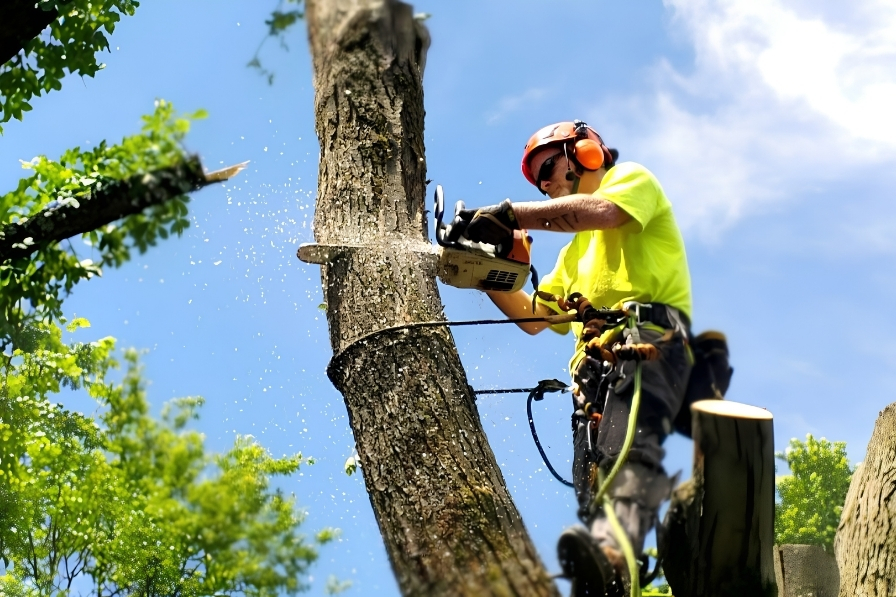
When a Tree Cannot Safely Remain Until a Scheduled Appointment
Sudden tree failure can block driveways, damage roofs, suspend heavy limbs above occupied areas, or leave a trunk leaning unpredictably after severe weather. Pelton Tree Care LLC evaluates immediate danger, remaining attachment points, surrounding structures, utility exposure, and equipment access before removal begins.
Our emergency tree removal service handles uprooted trees, split trunks, partial failures, hanging sections, and storm-damaged trees that require urgent intervention. Each response prioritizes restricted work zones, controlled dismantling, technical rigging, property protection, and safe material movement. The objective is to remove the active hazard without allowing a difficult situation to create additional damage.
A Partially Failed Tree Can Be More Unpredictable Than One Already Down
A fractured tree may remain supported by neighboring branches, roofing, fencing, utility lines, or damaged roots. Cutting the wrong section can release stored weight suddenly, shift the trunk, or send suspended material toward people and property. These conditions require careful load assessment before chainsaws or equipment enter the failure zone.
Pelton Tree Care LLC may use climbing systems, controlled rigging, aerial equipment, or crane tree removal to stabilize and extract compromised sections. Our 24/7 emergency tree service also addresses blocked entrances, damaged canopies, and fallen material requiring immediate access restoration. Once the tree is removed, remaining concerns may include storm cleanup, stump grinding, nearby tree inspections, and documentation supporting an insurance claim.


Urgent Removal Planned Around Stability, Movement, and Immediate Exposure
Emergency removal requires fast action supported by disciplined decisions. Pelton Tree Care LLC determines what remains attached, how the tree may move, which areas require restriction, and how each section can leave the property under control.
Failure Stabilization
Compromised trunks and suspended limbs are secured before cuts release unstable weight or tension.
Structure Protection
Removal methods account for roofs, garages, fences, vehicles, utilities, pavement, and neighboring property.
Route Restoration
Fallen material is cleared from driveways, entrances, roads, walkways, and emergency access points.
Debris Coordination
Branches, trunk sections, and scattered storm debris are processed and moved from active property areas.
Danger Removed Promptly
- Controls unstable trees near occupied spaces
- Reopens blocked driveways and entrances
- Limits additional damage during removal
- Supports safer recovery after severe weather
Professional emergency tree removal converts an unstable failure into a managed operation focused on hazard control, property access, and orderly recovery.
How an Emergency Tree Removal Progresses From Hazard Call to Site Recovery
Each response follows a controlled sequence that assesses instability, restricts exposure, dismantles failed material, and reviews the property after the immediate danger is removed.
Incident Review
We gather details about tree movement, visible failure, property damage, blocked access, weather, and utility concerns.
Stability Assessment
The crew evaluates roots, trunks, suspended limbs, pressure points, surrounding targets, and safe equipment positions.
Controlled Extraction
Failed sections are secured, cut, lowered, lifted, or dismantled according to their weight and remaining support.
Recovery Planning
We clear active areas and review cleanup, stump work, nearby tree concerns, and documentation needs.
Essential Questions About Urgent Tree Failure and Emergency Removal
Knowing when removal cannot wait, how unstable trees are controlled, and what happens afterward helps property owners respond safely without entering a dangerous failure zone.
When does a damaged tree require emergency removal?
Emergency tree removal is appropriate when a tree has fallen, partially uprooted, split, shifted suddenly, or left large limbs suspended above people, buildings, vehicles, utilities, or access routes. Active movement and worsening weather increase the need for immediate professional response.
Should I attempt to move branches blocking my driveway?
Do not move branches attached to a damaged trunk or suspended beneath tension. Cutting or pulling them can shift the tree unexpectedly. Keep the area restricted and request 24/7 emergency tree service so access can be restored through controlled removal.
How are partially fallen trees removed near a house?
Partially fallen trees may require stabilization, sectional dismantling, rigging, aerial equipment, or crane tree removal. The crew evaluates remaining attachments, load direction, structural contact, access, and surrounding property before choosing the safest extraction sequence.
Will emergency tree removal include cleanup of storm debris?
The project may include branch processing, trunk section removal, access clearing, and storm cleanup around the immediate work zone. Extensive debris, additional damaged trees, or landscape restoration may require separate planning after urgent hazards are stabilized.
What should I document for an insurance claim after tree damage?
Photograph visible damage from a safe location, note when the incident occurred, retain invoices, and contact your insurer promptly. Insurance claim assistance may provide service records and work descriptions, but coverage and reimbursement decisions remain with the insurance carrier.