- home
- Tree Preservation
Tree Preservation Services in Eastmont, WA
Preserve valuable trees with informed assessments, targeted care, and long-term planning tailored to Eastmont properties.
Keeping Valuable Trees Part of the Landscape
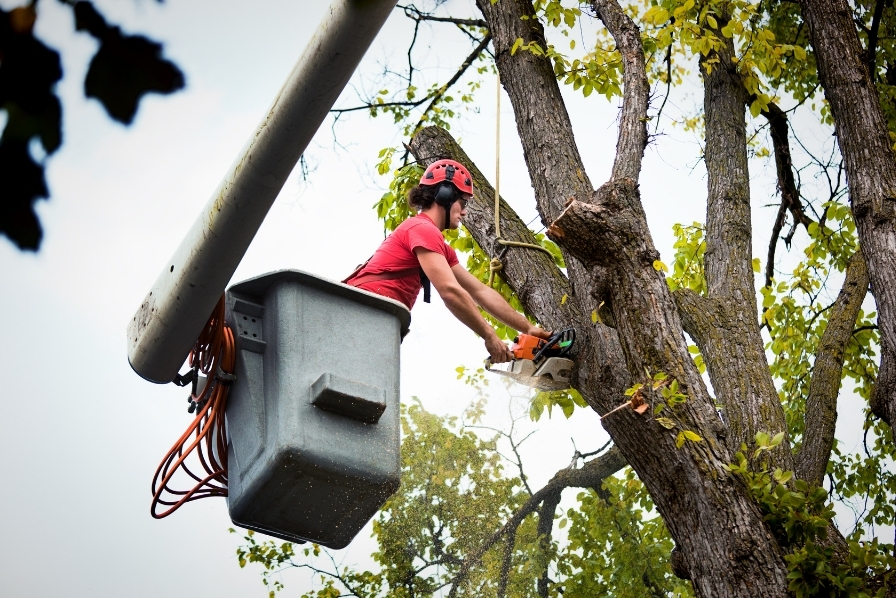
Tree preservation begins with understanding what a tree needs, what threatens its stability, and how it fits the surrounding property. Pelton Tree Care LLC evaluates canopy structure, trunk condition, roots, soil, clearance, and site activity before recommending care that protects both tree health and everyday property use. That context prevents rushed decisions based on appearance alone.
Our Tree Preservation service may involve Tree Health Assessment, Tree Risk Assessment, Crown Cleaning, Deadwood Removal, Tree Trimming and Pruning, Plant Health Care, and long-term monitoring. Each plan is designed to extend useful life, retain shade and screening, and correct manageable concerns before removal becomes the only practical option.
Preservation Means Treating Risk Without Rushing Removal
A mature tree can remain valuable even when it shows stress, minor decay, uneven growth, or storm damage. The key is separating treatable concerns from structural defects that cannot be reduced responsibly. Pelton Tree Care LLC studies species, age, branch attachment, root stability, soil disturbance, pest activity, and exposure before defining the safest preservation path.
Recommendations may include selective Tree Pruning, Crown Reduction, Deadwood Removal, Disease Management, Insect Management, Tree Nutrition Recommendations, or a phased Tree Care Plan. Preserving a tree does not mean ignoring risk. It means applying focused care, tracking change, and making measured decisions that support healthy growth without placing people, buildings, access routes, or neighboring property in unnecessary danger. It also establishes clear checkpoints for future reassessment and adjustment.


Focused Care for Lasting Tree Value
Effective preservation combines observation, timely intervention, and realistic planning. Pelton Tree Care LLC builds each recommendation around tree condition, property use, seasonal pressure, and the treatments most likely to preserve strength, function, and natural character. The goal is not passive retention, but active stewardship supported by evidence and clear priorities.
Health Baseline
A detailed Tree Health Assessment documents vigor, decline, pests, disease symptoms, and visible structural concerns.
Canopy Strategy
Selective Tree Trimming and Pruning improve branch spacing, clearance, balance, and future growth patterns responsibly.
Root Protection
Care plans consider compaction, excavation, drainage changes, surface damage, and activity near critical root zones.
Ongoing Review
Scheduled monitoring tracks changes in canopy density, trunk condition, stability, and response to treatment over time.
Preservation With Purpose
- Retains Valuable Shade and Screening
- Preserves Landscape Character and Scale
- Supports Safer Long-Term Tree Growth
- Reduces Avoidable and Premature Removal
Preservation protects established shade, landscape identity, wildlife value, and future property use while reducing avoidable removals through informed care and ongoing evaluation.
A Measured Tree Preservation Process Built on Evidence and Follow-Through
Every preservation plan moves through a deliberate sequence that reveals current concerns, defines practical care, and tracks how the tree responds over time.
Site Diagnosis
We inspect canopy condition, trunk integrity, roots, soil, surroundings, and recent changes affecting the tree.
Care Design
Findings become a focused plan covering priorities, treatment options, pruning needs, timing, and monitoring requirements.
Targeted Action
Approved preservation work is completed carefully, with property protection and the tree’s natural structure in mind.
Progress Review
Follow-up observations measure response, identify new concerns, and refine future care before conditions worsen further.
Understanding When and How Trees Can Be Preserved
Tree preservation raises important questions about safety, treatment, pruning, monitoring, and long-term value. Clear answers help property owners decide when professional care can extend a tree’s useful life responsibly and safely.
What does professional tree preservation include?
Tree Preservation uses assessment, selective pruning, health care, risk reduction, and monitoring to retain a valuable tree safely. The goal is to address manageable concerns, support structural stability, and extend useful life without choosing removal prematurely.
Can a storm-damaged tree still be preserved?
A damaged tree may be preserved when its trunk, roots, and primary structure retain enough strength for responsible risk reduction. Tree Health Assessment and Tree Risk Assessment help determine whether pruning, treatment, monitoring, or removal offers the safest path.
When is tree preservation no longer appropriate?
Tree Preservation may not be appropriate when severe decay, root failure, extensive cracking, unstable lean, or repeated structural failure creates unacceptable risk. In those situations, controlled Tree Removal may protect people, buildings, access routes, and neighboring property more effectively.
How does professional pruning support tree preservation?
Tree Trimming and Pruning support preservation by removing dead, damaged, crowded, or poorly attached branches while improving clearance and canopy balance. Proper pruning respects species, maturity, natural structure, and the tree’s ability to respond without unnecessary stress.
Does tree preservation require ongoing maintenance?
Yes. Successful Tree Preservation often requires periodic inspections, selective pruning, health monitoring, and adjustments as the tree and property change. A Tree Care Plan creates clear priorities, records developing concerns, and helps schedule work before manageable issues become urgent.