- home
- Hedge Pruning
Hedge Pruning Services in Eastmont, WA
Professional hedge pruning restores shape, manages growth, improves clearance, and keeps Eastmont landscapes orderly through every season.
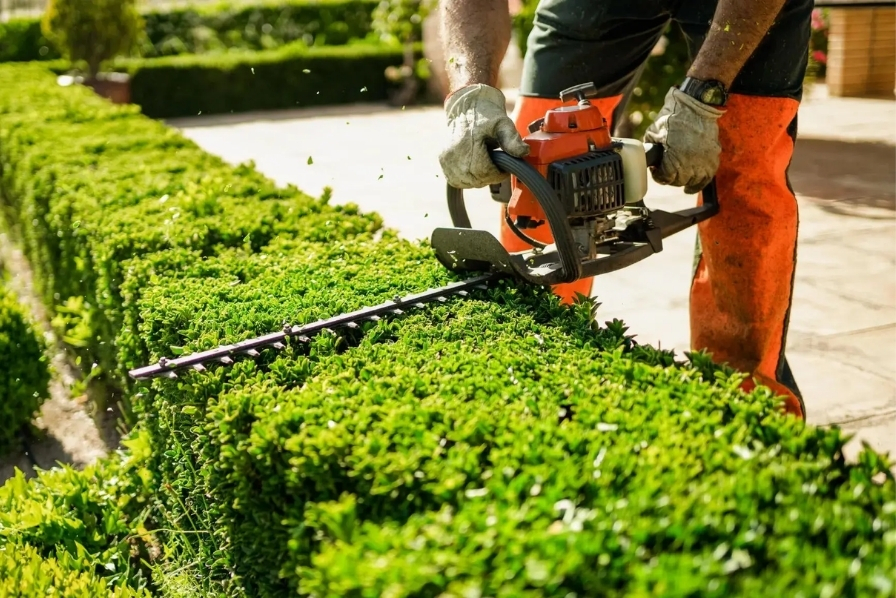
Defined Hedges Without the Harsh, Boxed-In Look
A well-maintained hedge should frame the property without overwhelming windows, pathways, entrances, or neighboring spaces. Pelton Tree Care LLC evaluates plant species, growth density, natural form, height, health, and surrounding features before selecting pruning methods that improve appearance while supporting continued growth.
Our Hedge Pruning service addresses privacy screens, boundary hedges, foundation plantings, ornamental rows, and overgrown green walls. Each cut is planned around branch structure, seasonal timing, sunlight, airflow, and the desired finished profile. This creates cleaner lines and more manageable growth without stripping healthy foliage or forcing every plant into the same artificial shape.
Overgrown Hedges Can Quietly Take Over Useful Space
Hedges often expand gradually until they narrow walkways, cover windows, obstruct driveway sightlines, interfere with siding, or extend beyond property boundaries. Dense outer growth may also shade the interior, conceal dead sections, trap moisture, and leave the hedge increasingly difficult to manage through occasional surface trimming.
Depending on the condition, Pelton Tree Care LLC may recommend height reduction, selective thinning, side clearance, corrective shaping, dead growth removal, or phased restoration. Where individual shrubs have declined beyond recovery or no longer fit the site, Shrub Removal may complement the pruning plan. The goal is to regain control without shocking the plants, exposing bare interiors unnecessarily, or creating rapid, weak regrowth that demands constant correction.


Pruning Decisions Shaped by Plant Form and Property Use
Effective hedge care considers more than height and width. Pelton Tree Care LLC balances appearance, plant health, privacy, clearance, and surrounding property features so each hedge remains functional, visually composed, and easier to maintain as new growth develops.
Height Management
Controlled cuts reduce excessive height while preserving foliage density, screening value, and natural proportions.
Boundary Clearance
Targeted pruning keeps growth away from sidewalks, driveways, fences, structures, and neighboring property.
Interior Thinning
Selective branch removal improves light penetration, airflow, visibility, and healthier interior growth patterns.
Shape Restoration
Corrective pruning rebuilds cleaner lines after uneven growth, neglected maintenance, or previous improper cutting.
Growth Kept in Balance
- Cleaner boundaries around outdoor spaces
- Improved visibility near entrances and driveways
- Healthier foliage through light and airflow
- Manageable growth between scheduled visits
Professional Hedge Pruning creates stronger visual definition, preserves useful screening, improves access, and prevents established plantings from dominating the surrounding landscape.
A Thoughtful Hedge Pruning Sequence From Assessment to Refined Shape
Every hedge receives a tailored approach that considers plant health, desired dimensions, seasonal growth, and the nearby features requiring clearance or protection.
Hedge Assessment
We review species, density, height, bare areas, branch structure, health, and surrounding property conflicts.
Profile Planning
The intended height, width, shape, clearance, and privacy level guide the pruning approach.
Selective Pruning
Growth is reduced carefully to restore form without exposing excessive bare wood or stressing plants.
Detail Finishing
Loose debris is cleared, edges are reviewed, and remaining growth is checked for balance.
Helpful Answers About Professional Hedge Pruning and Maintenance
Knowing when, how, and why hedges should be pruned helps property owners maintain healthy screening, cleaner boundaries, dependable clearance, and a more composed landscape.
How often should residential hedges be professionally pruned?
Hedge Pruning frequency depends on plant species, growth rate, desired shape, location, and season. Fast-growing hedges may need several visits annually, while slower varieties may require one or two carefully timed services to maintain size, density, and clearance.
Can an overgrown hedge be reduced significantly in one visit?
Significant reduction depends on the hedge species, age, foliage distribution, and amount of live interior growth. Some hedges tolerate corrective pruning well, while others require phased reduction to avoid bare sections, stress, sun exposure, or permanent loss of screening.
What is the difference between hedge pruning and hedge trimming?
Hedge trimming usually maintains the outer profile, while Hedge Pruning selectively removes branches to manage structure, health, density, clearance, and long-term growth. Professional care may combine both methods depending on the hedge’s condition and the desired result.
Can hedge pruning improve visibility around a driveway or entrance?
Yes. Targeted Hedge Pruning can open sightlines near driveways, walkways, windows, signs, and entrances without removing the entire planting. The pruning plan should maintain healthy growth while creating enough clearance for safer movement and better visibility.
When should an unhealthy hedge be removed instead of pruned?
Shrub Removal may be more practical when a hedge has extensive dieback, severe disease, failing roots, large bare sections, or repeated regrowth conflicts. An assessment can determine whether corrective pruning, phased restoration, treatment, or removal offers the better long-term outcome.