- home
- Shrub Removal
Shrub Removal Services in Eastmont, WA
Remove unwanted, overgrown, or declining shrubs to restore access, visibility, usable space, and landscape order around your property.
Clearing Shrubs Without Treating the Landscape Carelessly
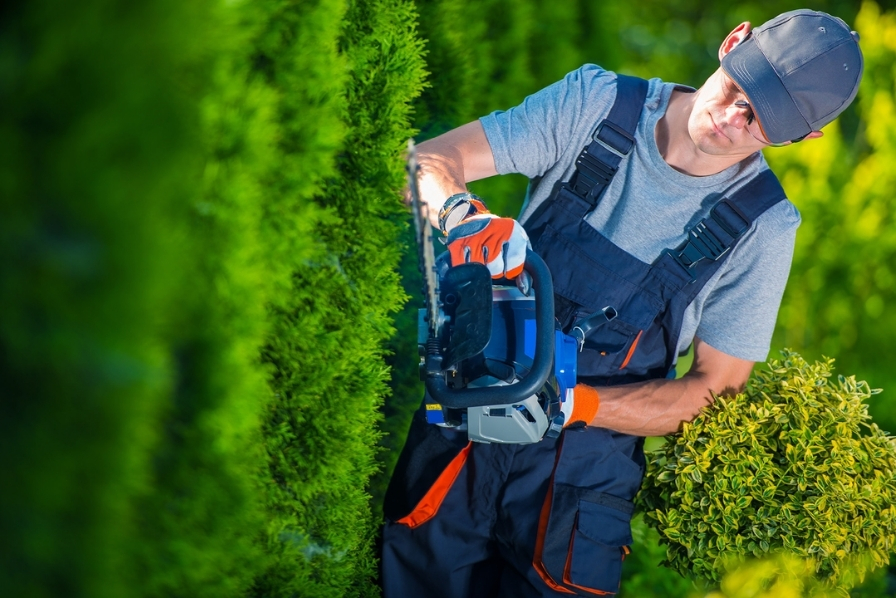
Shrubs can outgrow their purpose, crowd walkways, conceal building features, restrict sunlight, or compete with nearby plants. Pelton Tree Care LLC evaluates shrub size, root spread, location, surrounding vegetation, and intended site use before selecting an appropriate removal method for Eastmont properties.
Our Shrub Removal service addresses isolated plants, dense clusters, neglected borders, invasive growth, and shrubs positioned against foundations, fences, driveways, or utilities. The work is planned to limit disruption around lawns, garden beds, irrigation components, hardscaping, and trees worth retaining while preparing the cleared area for its next practical use.
When an Overgrown Shrub Becomes More Than a Visual Problem
An established shrub can gradually block entrances, narrow pathways, cover windows, trap moisture near siding, or obstruct visibility around driveways and parking areas. Dense root systems may also interfere with edging, drainage, paving, or future planting plans. Removing the visible growth alone may leave behind a persistent maintenance problem.
Pelton Tree Care LLC considers whether complete Shrub Removal, selective cutting, root reduction, or surrounding Hedge Pruning best fits the property. Where shrubs are intertwined with fences, utilities, ornamental plants, or mature tree roots, careful sequencing becomes essential. The goal is to remove unwanted vegetation while protecting nearby features and creating a cleaner, more functional foundation for landscaping, lawn restoration, construction access, or improved property visibility.


Removal Planned Around What Stays Behind
A successful shrub removal should improve the space without damaging the landscape features meant to remain. Pelton Tree Care LLC considers access, root density, nearby plants, soil disturbance, and future plans before clearing each shrub and preparing the surrounding area.
Growth Assessment
We review shrub size, density, root spread, condition, and interference with surrounding property features.
Site Protection
Nearby trees, gardens, pavement, fencing, irrigation, and structures are considered before removal begins.
Root Clearing
Remaining roots are reduced according to access, regrowth concerns, soil conditions, and future landscape plans.
Area Preparation
The cleared space is organized for planting, lawn repair, hardscaping, access, or another intended use.
Space Worth Reclaiming
- Open walkways and property entrances
- Restore visibility around windows and driveways
- Reduce recurring overgrowth and maintenance
- Prepare ground for future improvements
Professional Shrub Removal creates cleaner boundaries, improves access, and makes underused areas easier to redesign, maintain, and enjoy throughout the property.
How Unwanted Shrubs Move From Overgrowth to Open Ground
Each project follows a deliberate sequence that identifies surrounding risks, selects the right removal method, and prepares the area for whatever comes next.
Site Walkthrough
We inspect shrub growth, nearby features, access limitations, root conditions, and the property owner’s goals.
Removal Strategy
The crew selects cutting, extraction, root clearing, equipment, and protection methods suited to the site.
Controlled Clearing
Shrubs are removed carefully while limiting disturbance around landscaping, structures, utilities, and retained vegetation.
Ground Reset
Debris is cleared, and the area is prepared for restoration, planting, construction, or improved access.
Common Questions About Removing Shrubs From Residential Properties
Understanding removal methods, root management, site protection, and future use helps property owners clear unwanted shrubs without creating avoidable damage or recurring growth.
When should an overgrown shrub be removed instead of pruned?
Shrub Removal may be appropriate when a plant is severely declining, repeatedly outgrows its location, blocks access, damages nearby features, or no longer suits the landscape. Hedge Pruning remains preferable when controlled shaping can restore healthy, manageable growth.
Does shrub removal include taking out the roots?
Root removal depends on shrub size, root depth, access, nearby utilities, surrounding plants, and future site use. Some roots can be extracted, while larger systems may require cutting or grinding to reduce regrowth and prepare the ground responsibly.
Can shrubs be removed from beside a house or fence?
Yes. Shrubs near siding, foundations, fences, windows, and pathways can be removed with careful cutting and controlled root work. The method should account for irrigation, utilities, drainage, hardscaping, nearby plants, and the risk of disturbing surrounding surfaces.
What can be done with the space after shrub removal?
After Shrub Removal, the area may be prepared for lawn restoration, new planting, pathways, drainage improvements, fencing, hardscaping, or expanded access. The next use determines how deeply roots should be cleared and how the soil should be restored.
Can shrub removal help improve property visibility and security?
Yes. Removing dense shrubs can open sightlines around windows, entrances, driveways, walkways, signs, and parking areas. Improved visibility may also reduce concealed spaces, simplify maintenance, and make the surrounding landscape feel cleaner, more open, and easier to navigate.